8 Best AI Platforms for Agent Coding Skills (2026)
Disclosure: Some links earn us a commission at no extra cost to you. Rankings are independent — tools cannot pay for placement.
A curated guide to the best AI coding platforms that support agent skills — from automated code review and test-driven development to refactoring, debugging, and full pull-request workflows.
Our Top Picks

Claude Code
Paid
Anthropic's agentic CLI for autonomous terminal-native coding workflows
- Terminal-native autonomous coding agent
- Full file system and shell access for multi-step tasks
- Deep codebase understanding via repository indexing

Cursor
Freemium
AI-native code editor with deep multi-model integration and agentic coding
- AI-native Cmd+K inline editing and generation
- Composer Agent for autonomous multi-file changes
- Full codebase indexing and context awareness
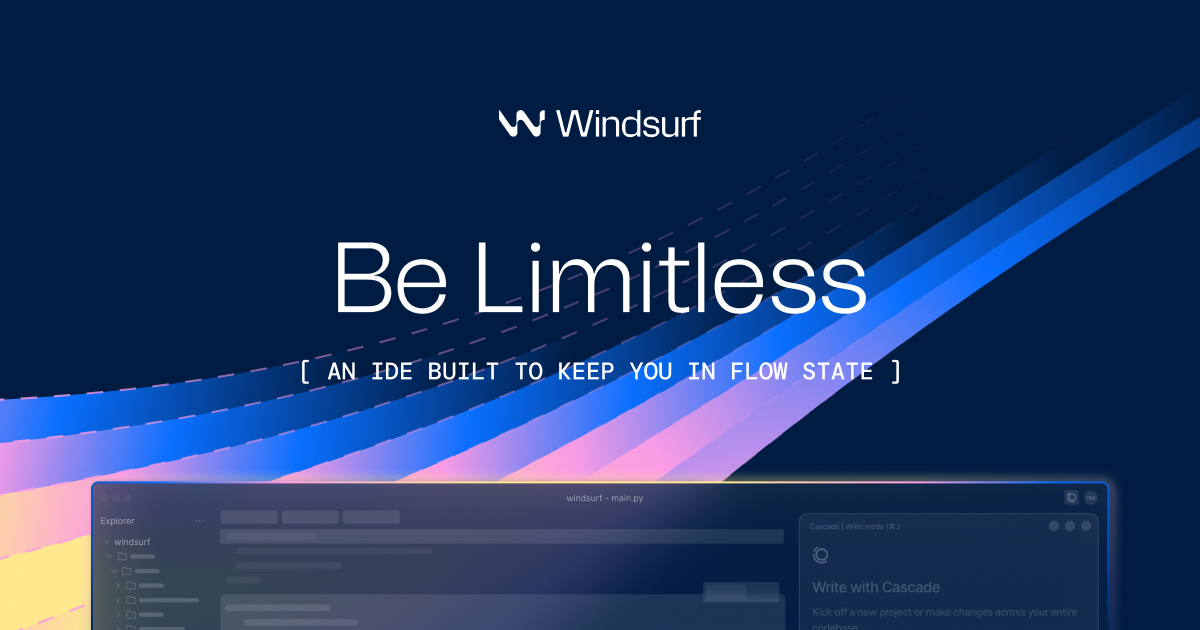
Windsurf
Freemium
AI-native IDE with agentic Cascade for multi-step autonomous coding
- Cascade agentic coding for multi-step autonomous tasks
- Supercomplete next-action prediction
- Flows for persistent multi-turn context
OpenAI Codex CLI
Open Source
OpenAI's open-source terminal coding agent with sandboxed execution
- Three operating modes (suggest, auto-edit, full-auto)
- OS-level sandboxed execution for safety
- Optimized codex-mini model for low latency
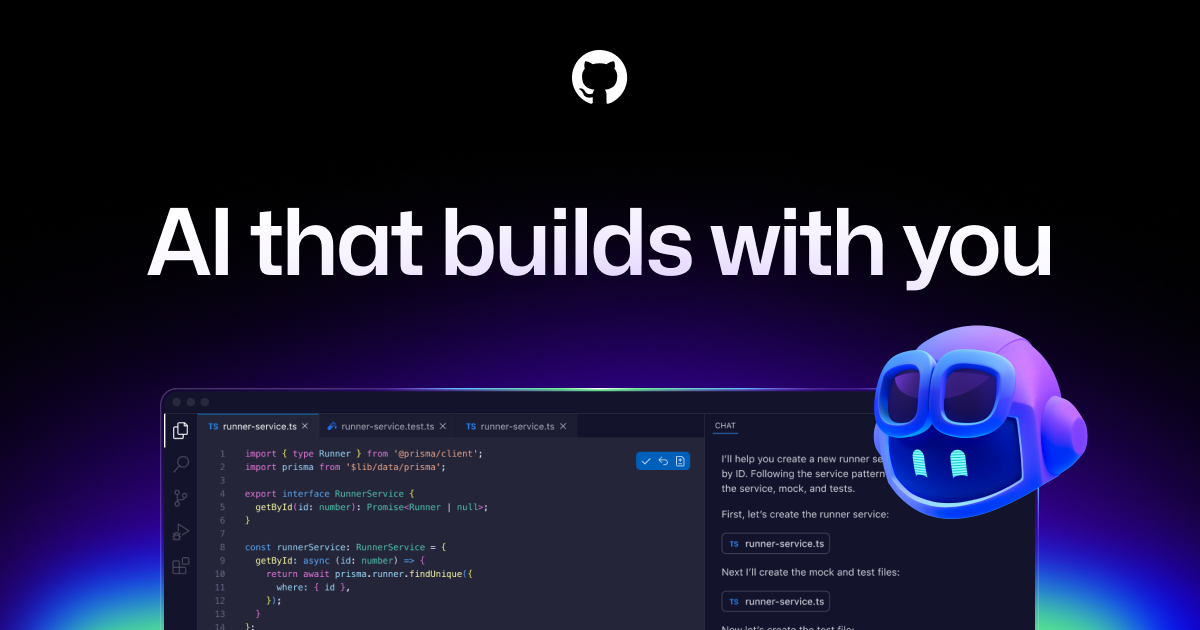
GitHub Copilot
Freemium
AI pair programmer that suggests code in real time across your IDE
- Real-time code completions across 30+ languages
- Copilot Chat for natural language code Q&A
- Pull request description and summary generation

Cline
Open Source
Autonomous coding agent in VS Code with human-in-the-loop approval flow
- Human-in-the-loop approval for every action
- Multi-model support (Claude, GPT, Gemini, local models)
- File creation, editing, and deletion across projects

Devin
Paid
First autonomous AI software engineer with full development environment
- Fully autonomous end-to-end software development
- Sandboxed environment with shell, editor, and browser
- Asynchronous task delegation via Slack-like interface

Supermaven
Freemium
Ultra-fast AI code completion with 300K token context window
- 300K token context window for deep code understanding
- Sub-100ms completion latency
- VS Code, JetBrains, and Neovim support
Why Agent Skills Are Transforming Software Development
AI coding assistants have crossed a threshold. They no longer just autocomplete lines — they execute multi-step tasks autonomously, run tests, read error output, iterate, and commit changes. This shift is driven by agent skills: discrete, composable behaviors that a platform can invoke on your behalf.
The best coding platforms in 2026 don't just generate code. They apply structured skills like Code Reviewer, TDD Workflow, and Git Workflow as part of an agentic loop — planning, executing, validating, and self-correcting without constant hand-holding.
This guide ranks the top platforms by how well they operationalize these skills, not just how fluent their completions are.
Top Coding Agent Skills to Know
Code Reviewer
The Code Reviewer skill goes beyond lint warnings. It applies semantic understanding to identify logic bugs, suggest naming improvements, flag security anti-patterns, and enforce architectural conventions. Platforms like Claude Code and Cursor implement this skill with inline diff comments that mirror a senior developer's pull-request review.
TDD Workflow
TDD Workflow agents write failing tests first, implement the minimum code to pass them, then refactor. This red-green-refactor cycle, when handled autonomously, dramatically improves code correctness. GitHub Copilot and Cline both support this pattern natively when given a clear task specification.
Refactoring Agent
The Refactoring Agent skill identifies code smells — duplicate logic, overly long functions, deep nesting — and restructures them without changing external behavior. Windsurf and Claude Code are particularly strong here because they maintain context across the entire codebase rather than just the open file.
Debugging Skill
Debugging Skill agents read stack traces, reproduce minimal failing cases, isolate root causes, and propose targeted fixes. Devin, as a fully autonomous agent, pairs this skill with the ability to actually run code in a sandboxed environment and iterate until tests pass.
Git Workflow
The Git Workflow skill covers branch creation, commit message generation, rebase management, and pull-request drafting. OpenAI Codex CLI and Claude Code execute this autonomously, linking code changes to issue descriptions and producing reviewer-ready PRs without manual intervention.
React Component
The React Component skill handles component scaffolding, prop typing, hook extraction, and state management wiring. Cursor and Supermaven accelerate this at the file level, while Claude Code and Cline operate at the feature level — generating entire component trees from a design brief.
API Integration
The API Integration skill reads endpoint documentation, generates typed client code, handles authentication flows, and writes error-handling wrappers. Windsurf and Cline handle multi-file API integrations particularly well, keeping SDK imports, types, and usage sites consistent.
Platform-by-Platform Review
1. Claude Code — Best for Deep Codebase Understanding
Claude Code operates directly in your terminal with full filesystem access and shell execution. Its standout quality is codebase-level reasoning: it reads multiple files, understands their relationships, and applies skills like Refactoring Agent and Code Reviewer with architectural awareness that file-level tools cannot match. Best for complex, multi-module tasks.
2. Cursor — Best IDE Experience
Cursor's Composer mode chains agent steps inside a familiar VS Code interface. It excels at React Component generation and TDD Workflow because it maintains the visual context of your project structure while operating agentically. The tab-completion is the fastest in class.
3. Windsurf — Best for Autonomous Multi-File Edits
Windsurf's Cascade engine handles tasks that span many files simultaneously. Its Refactoring Agent and API Integration capabilities are exceptional because it propagates changes consistently across all affected files in a single pass rather than patching one file at a time.
4. OpenAI Codex CLI — Best for Terminal-Native Workflows
Codex CLI brings GPT-4o's coding capabilities into the shell with a clean agentic interface. It shines at Git Workflow automation — drafting commits, managing branches, and summarizing diffs — making it ideal for developers who live in the terminal.
5. GitHub Copilot — Best Ecosystem Integration
Copilot's deep GitHub integration makes Git Workflow and Code Reviewer skills feel native. PR summaries, review suggestions, and issue-linked code generation are all wired into the platform you already use. Its Workspace feature extends this to repo-wide changes.
6. Cline — Best Open-Source Agent
Cline runs in VS Code and supports any OpenRouter-compatible model. Its tool-use implementation is transparent and auditable, making it the best choice for teams that need to understand exactly what their agent is doing. Strong support for TDD Workflow and Debugging Skill.
7. Devin — Best Fully Autonomous Agent
Devin is the most autonomous platform on this list. Given a task, it provisions its own environment, installs dependencies, runs tests, reads failures, and iterates. This makes it uniquely capable at end-to-end Debugging Skill and Git Workflow completion without human checkpoints.
8. Supermaven — Best for Completion Speed
Supermaven's 1M-token context window and sub-200ms completion latency make it the fastest autocomplete available. While it is less focused on multi-step agent skills, its React Component and inline refactoring suggestions are fast enough to keep senior developers in flow.
How to Pick the Right Platform
- Large, complex codebase: Claude Code or Windsurf for their multi-file context
- IDE-first workflow: Cursor for the best integrated experience
- Terminal-native: OpenAI Codex CLI or Claude Code
- Full autonomy: Devin for hands-off task completion
- Open-source / self-hosted: Cline with a model of your choice
- GitHub-centric teams: GitHub Copilot for ecosystem depth
- Completion speed: Supermaven for low-latency suggestions
Combining Skills for Maximum Impact
The most productive engineers in 2026 treat these skills as a pipeline: Supermaven for fast completions during active coding, Cursor or Windsurf for feature-level agent tasks, and Claude Code or Devin for end-to-end task execution including testing and PRs. Layering TDD Workflow with Code Reviewer catches issues before they reach human reviewers.
Frequently Asked Questions
What is an agent skill in the context of AI coding tools?
An agent skill is a discrete, reusable behavior that an AI platform can execute autonomously as part of a larger task. Examples include running tests, reviewing code for security issues, generating commit messages, or scaffolding React components — actions that go beyond single-line completion into multi-step execution.
Which AI coding platform is best for beginners?
GitHub Copilot and Cursor are the most beginner-friendly because they integrate into familiar IDEs (VS Code) and provide suggestions inline without requiring command-line knowledge. Cursor's chat interface makes it easy to describe what you want in plain language.
Can these platforms run tests automatically?
Yes. Claude Code, Devin, Cline, and Windsurf can all execute test runners as part of their agentic loop. Devin is the most autonomous — it will install dependencies, run the test suite, read failures, and iterate without being prompted to do so.
Is it safe to give an AI agent write access to my codebase?
All major platforms support review-before-apply modes where you inspect proposed changes before they are written. For production codebases, use branch-isolated workflows: let the agent operate on a feature branch and review its pull request like any other contributor. Claude Code and Cline both provide transparent change previews before committing.
Disclosure: Some links on this page may be affiliate links. We may earn a commission if you make a purchase through these links, at no additional cost to you.