8 Best AI Platforms for Design Agent Skills (2026)
Disclosure: Some links earn us a commission at no extra cost to you. Rankings are independent — tools cannot pay for placement.
A curated guide to the best AI design platforms that support agent skills — from automated UI component generation and Tailwind conversion to image creation, design systems, and accessibility auditing.
Our Top Picks

Claude Code
Paid
Anthropic's agentic CLI for autonomous terminal-native coding workflows
- Terminal-native autonomous coding agent
- Full file system and shell access for multi-step tasks
- Deep codebase understanding via repository indexing
Cursor
Freemium
AI-native code editor with deep multi-model integration and agentic coding
- AI-native Cmd+K inline editing and generation
- Composer Agent for autonomous multi-file changes
- Full codebase indexing and context awareness
Figma AI
Freemium
Industry-standard UI design platform with integrated AI capabilities
- AI-powered Make Designs generates UI from text prompts
- Real-time multiplayer collaborative editing
- Component-based design system management

Midjourney
Paid
Premier AI image generator known for stunning aesthetic quality
- State-of-the-art aesthetic image generation (v6 model)
- Style Tuner for personalized aesthetic preferences
- Vary, pan, and zoom controls for iterative refinement
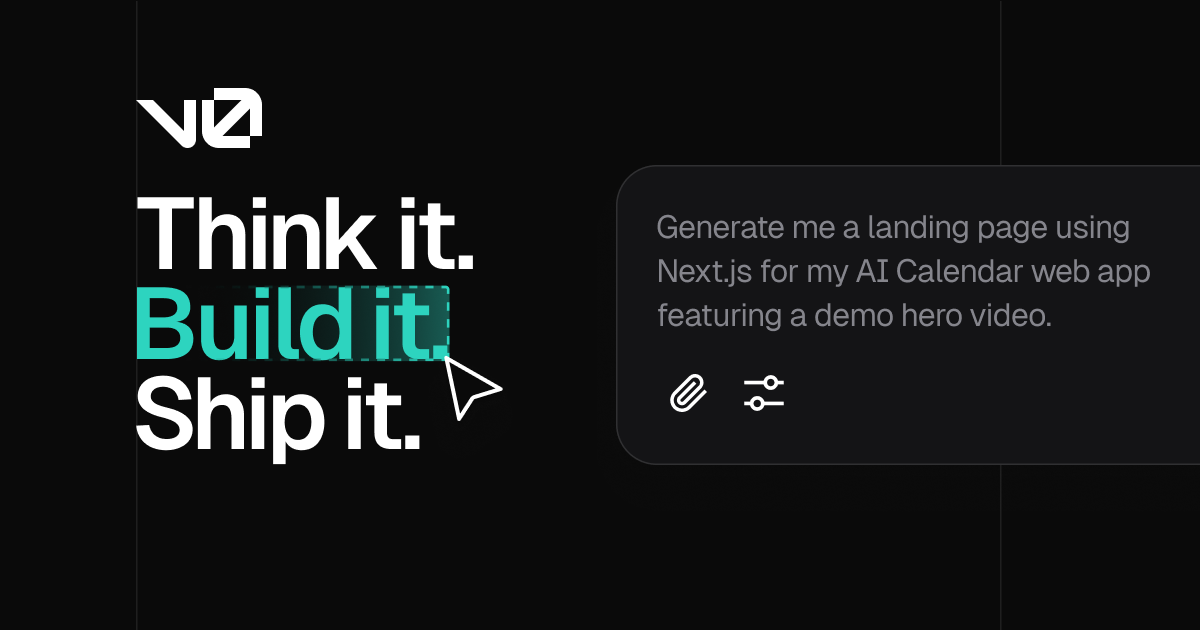
v0 by Vercel
Freemium
AI UI generator that creates production-ready React components from prompts
- Production-ready React/Next.js component generation
- shadcn/ui and Tailwind CSS output
- Image and screenshot to code conversion

Canva
Freemium
All-in-one visual design platform with AI-powered creative tools
- Drag-and-drop visual editor with 250,000+ templates
- Magic Studio AI suite (text-to-image, Magic Eraser, Magic Expand)
- Background Remover for instant subject isolation
DALL-E (OpenAI)
Freemium
OpenAI's image generation model integrated directly into ChatGPT
- Conversational image generation through ChatGPT
- Superior text rendering within generated images
- Automatic prompt optimization by ChatGPT

Stable Diffusion
Open Source
Leading open-source AI image model powering thousands of creative tools
- Open-source model weights for unrestricted local deployment
- SDXL and SD3 models with high-resolution output
- ControlNet for precise pose, depth, and edge-guided generation
Why Agent Skills Are Reshaping Design Workflows
Design in 2026 is no longer a purely manual craft. AI platforms now execute structured design tasks autonomously — generating component libraries, converting mockups to production code, building color systems, and optimizing assets — all through composable agent skills that chain together into complete workflows.
The shift matters because it collapses the gap between design intent and implementation. A designer who previously handed off a Figma file and waited days for a developer to translate it can now invoke a Figma to Code skill that produces pixel-accurate React or Astro components in minutes. A developer who needed a color palette can use the Color Palette skill to generate an accessible, harmonious system tied to design tokens.
This guide evaluates the top platforms by how effectively they operationalize design agent skills — not just how pretty their output looks, but how reliably they integrate into real production pipelines.
Top Design Agent Skills to Know
Figma to Code
The Figma to Code skill reads Figma design files and produces structured, production-ready frontend code. This goes well beyond simple HTML export — the best implementations generate semantically correct component hierarchies with proper prop typing, responsive breakpoints, and accessibility attributes. Figma AI and v0 by Vercel both excel here, though they take different approaches: Figma AI works from within the design tool itself, while v0 accepts natural language descriptions and produces Next.js-compatible components.
Tailwind Converter
The Tailwind Converter skill transforms existing CSS, design specs, or visual references into Tailwind CSS utility classes. This is particularly valuable for teams migrating legacy codebases or translating design tokens into Tailwind's class system. Claude Code and Cursor handle this with full codebase awareness, ensuring the converted styles integrate with existing Tailwind configuration and custom theme extensions rather than producing isolated class strings.
UI Component Library
The UI Component Library skill scaffolds complete component systems — buttons, inputs, modals, cards, navigation elements — with consistent APIs, proper TypeScript typing, and Storybook documentation. v0 by Vercel generates shadcn/ui-compatible components by default, while Claude Code can build libraries targeting any framework and design system specification you provide.
Design System
The Design System skill creates and maintains the foundational layer beneath components: spacing scales, typography hierarchies, color tokens, elevation levels, and motion curves. This is architectural work that requires understanding how tokens propagate through an entire application. Claude Code is the strongest platform here because it can read your existing codebase, identify inconsistencies, and propose a unified token system that covers all current usage patterns.
Icon Generator
The Icon Generator skill produces consistent icon sets in SVG format, matching a specified style (outline, filled, duotone) and grid system. Midjourney and DALL-E can generate icon concepts as images, but for production use, the skill needs to output clean SVG paths. Claude Code and Cursor bridge this gap by generating SVG markup directly or converting AI-generated concepts into optimized vector code via the SVG Optimizer skill.
Color Palette
The Color Palette skill generates harmonious color systems with proper contrast ratios for accessibility compliance (WCAG AA/AAA). The best implementations don't just pick five nice colors — they produce full palettes with semantic naming (primary, secondary, destructive, muted), light/dark mode variants, and CSS custom property definitions ready for integration.
Animation Creator
The Animation Creator skill defines motion design — transitions, micro-interactions, loading states, and scroll-triggered effects — using CSS animations, Framer Motion, or GSAP. Cursor and v0 handle component-level animations well, while Claude Code can orchestrate complex multi-element animation sequences that require coordinated timing across components.
Theme Generator
The Theme Generator skill produces complete theme configurations for frameworks like Tailwind, Material UI, or Chakra UI. Given a brand's primary colors and typography preferences, it generates a full theme object with all necessary variants, dark mode mappings, and component-level style overrides. This pairs naturally with the Design System skill for comprehensive styling infrastructure.
Platform-by-Platform Review
1. Claude Code — Best for Design System Architecture
Claude Code's strength in design is structural. It reads your entire codebase — every component, every style file, every configuration — and understands the relationships between them. This makes it the best platform for Design System work, Tailwind Converter migrations, and Theme Generator tasks where consistency across hundreds of files matters more than visual fidelity in a single component. It also excels at generating Accessibility Auditor reports that identify contrast failures and missing ARIA attributes across an entire site.
2. Cursor — Best IDE Experience for Design-to-Code
Cursor's Composer mode lets designers and front-end developers iterate on components visually while the agent handles the code. It's particularly effective for UI Component Library building and Animation Creator work because you see the result immediately in the preview pane. The multi-file editing capability means a single prompt can update a component, its styles, its Storybook story, and its test file simultaneously.
3. Figma AI — Best for Design-Native Workflows
Figma AI operates where designers already work. Its Figma to Code skill is the most accurate because it has direct access to the design file's layer structure, auto-layout settings, and component variants — information that gets lost when other tools work from screenshots or exported specs. The platform also generates design suggestions, auto-layouts, and component variants directly within Figma's canvas.
4. Midjourney — Best for Visual Concept Generation
Midjourney produces the highest-quality visual concepts among image generators. For design agent skills, it serves as the ideation layer: generating mood boards, hero images, background textures, and visual style explorations that inform the design system. It lacks code output capabilities, so it pairs with Claude Code or Cursor for the implementation phase. Its v6.1 model handles UI mockup generation with surprising accuracy when prompted with specific framework references.
5. v0 by Vercel — Best for Rapid UI Prototyping
v0 takes a text description and produces a working React component with Tailwind styling and shadcn/ui patterns. It is the fastest path from idea to interactive prototype. The UI Component Library and Figma to Code skills are its core strength — you describe a dashboard layout, a pricing page, or a settings panel, and get a deployable component in seconds. The limitation is that it targets Next.js specifically, so teams on other frameworks need to adapt the output.
6. Canva — Best for Non-Technical Design Tasks
Canva's AI features handle presentation design, social media graphics, brand kit management, and marketing collateral — tasks that fall outside the code-oriented skills but are essential to a complete design workflow. Its Magic Design feature generates complete layouts from a brief, and its brand kit system enforces visual consistency across all output. For teams where design agent skills span both code and marketing, Canva covers the non-technical half.
7. DALL-E — Best for Integrated Image Generation
DALL-E's strength is its API-first architecture, which makes it embeddable in automated pipelines. When an agent skill needs to generate a placeholder image, a product photo variant, or a themed illustration, DALL-E integrates directly into the workflow via API. This programmability makes it more useful in agent contexts than tools that require manual prompting through a web interface.
8. Stable Diffusion — Best for Self-Hosted Image Pipelines
Stable Diffusion is the open-source foundation for teams that need full control over their image generation pipeline. With custom LoRA models trained on brand assets, it produces on-brand illustrations, icons, and textures that match an existing design system precisely. The tradeoff is setup complexity — you need GPU infrastructure and model training expertise — but the output consistency and cost efficiency at scale are unmatched.
How to Pick the Right Platform
- Design system overhaul: Claude Code for codebase-wide token consistency
- Component prototyping: v0 for instant React/Tailwind components
- Figma-to-production pipeline: Figma AI for design-native code export
- Visual concepting: Midjourney for high-fidelity mood boards and UI explorations
- Marketing design: Canva for non-code visual assets
- Custom image pipeline: Stable Diffusion with trained LoRA models
- IDE-integrated design work: Cursor for real-time component iteration
Combining Skills for a Complete Design Pipeline
The most effective design workflows in 2026 chain multiple skills: Midjourney or DALL-E for initial visual exploration, Figma AI for structured layout design, v0 or Cursor for component code generation, and Claude Code for Design System integration and Accessibility Auditor validation. Each platform handles the phase it does best, and the output of one feeds directly into the next.
Frequently Asked Questions
Can AI design tools replace human designers?
No. AI design platforms excel at execution tasks — converting designs to code, generating component variants, building color systems — but they lack the strategic judgment, brand intuition, and user empathy that human designers bring. The best workflow is collaborative: designers set direction and make creative decisions, then use agent skills to accelerate the implementation of those decisions.
Which platform is best for converting Figma designs to production code?
Figma AI is the most accurate for direct Figma-to-code conversion because it has native access to the design file's structure. v0 by Vercel is better when you want to describe a component in natural language rather than start from a Figma file. For complex, multi-component conversions that need to integrate with an existing codebase, Claude Code provides the best architectural awareness.
Do I need to know Tailwind CSS to use these design agent skills?
Not necessarily. Tools like v0 and Cursor generate Tailwind classes automatically based on your design intent. However, understanding Tailwind basics helps you review and customize the output. The Tailwind Converter skill can also help migrate your existing CSS knowledge into Tailwind patterns, making the transition smoother.
How do these tools handle design consistency across a large project?
Claude Code and Cursor are the strongest for consistency because they read your entire codebase and enforce existing patterns. The Design System and Theme Generator skills specifically address this by creating centralized token definitions that all components reference. For visual consistency in non-code assets, Canva's brand kit and Stable Diffusion's LoRA training keep generated images on-brand.
Disclosure: Some links on this page may be affiliate links. We may earn a commission if you make a purchase through these links, at no additional cost to you.