By Coda One Team · Last verified: 2026-03-13
8 Best AI Tools for Researchers in 2026 (Compared)
Disclosure: Some links earn us a commission at no extra cost to you. Rankings are independent — tools cannot pay for placement.
A researcher-focused comparison of the best AI tools for literature discovery, paper analysis, and academic research workflows in 2026.
Our Top Picks
Semantic Scholar
Free AI-powered academic search engine with 200M+ papers and citation graphs
- AI-generated TLDR one-sentence paper summaries
- Influential citation detection distinguishing meaningful from perfunctory citations
- Interactive citation graphs mapping research lineage

Elicit
AI research assistant that automates literature reviews and data extraction
- Semantic search that understands research questions beyond keywords
- Automated data extraction from papers into structured tables
- Customizable extraction columns for any research domain

Consensus
AI-powered academic search that synthesizes findings from peer-reviewed papers
- Natural language search across 200M+ academic papers
- AI-synthesized answers with inline citations
- Consensus Meter showing research agreement levels

NotebookLM
Google's AI research assistant that turns your sources into insights
- Source-grounded AI Q&A with inline citations
- Audio Overview podcast-style summaries
- Upload PDFs, Docs, Slides, URLs, and YouTube links
Perplexity
AI-powered search engine that answers questions with cited sources
- Real-time web search with inline source citations
- Pro Search multi-step deep research automation
- Multiple model options (Sonar, GPT-4o, Claude)
Connected Papers
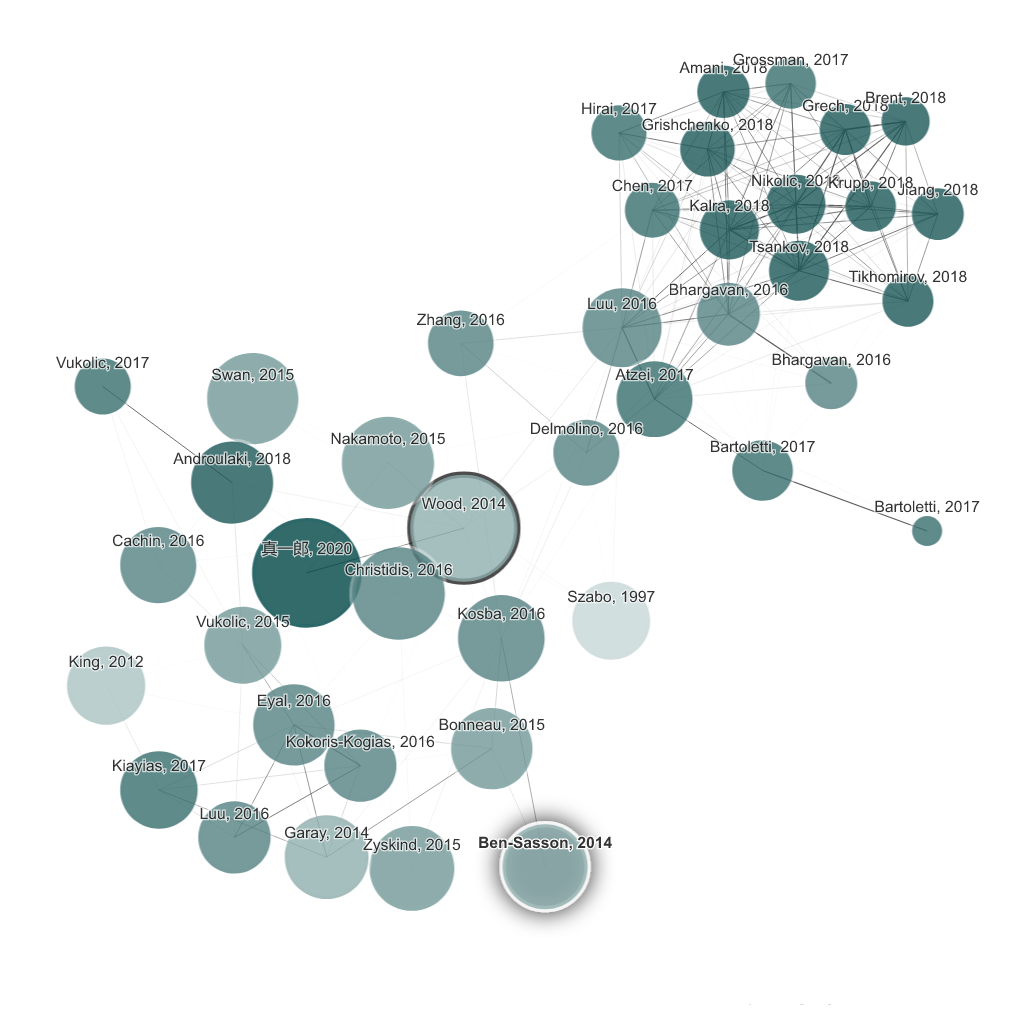
Visual graph tool that maps related papers from any seed paper
- Visual similarity graphs showing related papers as interactive nodes
- Co-citation and bibliographic coupling-based paper discovery
- Prior Works view showing foundational research

Scispace
AI platform for discovering, reading, and understanding scientific papers
- Chat with research papers — ask questions about any passage or table
- AI Copilot explaining complex methodology in plain language
- Literature review with structured comparison tables
DeepL
AI translation service regarded as the most accurate for European languages
- Neural machine translation across 30+ languages
- Document translation preserving original formatting
- DeepL Write for style, tone, and grammar improvement
The Short Answer
Semantic Scholar is the best free paper discovery tool (200M+ papers). Elicit is the best for systematic reviews. Consensus tells you what the science actually says on a topic. All three are free or nearly free.
Quick Picks
Semantic Scholar — best paper discovery (free). Elicit — best systematic review automation. Consensus — best evidence synthesis. NotebookLM — best document analysis (free). Connected Papers — best visual research mapping.
Detailed Reviews
1. Semantic Scholar — Best for Paper Discovery
Semantic Scholar uses AI to search and recommend relevant papers from over 200 million publications. Its TLDR feature provides instant paper summaries, citation influence scores highlight the most impactful works, and AI-powered recommendations surface related papers you might miss. The research feed feature keeps you updated on new papers in your areas of interest. Completely free.
2. Elicit — Best for Systematic Reviews
Elicit automates the most tedious parts of systematic literature reviews. It finds relevant papers, extracts specific data points you define, and organizes findings into structured tables. The systematic review workflow saves researchers hours of manual screening and data extraction. Particularly valuable for meta-analyses and evidence synthesis projects.
3. Consensus — Best for Evidence Synthesis
Consensus searches peer-reviewed literature to answer research questions with a synthesis of scientific evidence. It indicates the strength of consensus, identifies supporting and opposing studies, and provides direct citations. For researchers who need to quickly assess the state of evidence on a topic, it's much faster than reading abstracts one by one.
4. NotebookLM — Best for Paper Analysis
NotebookLM lets you upload research papers and interact with them through AI-powered Q&A. Ask questions about methodology, findings, or implications and get answers grounded in the actual papers. The ability to compare findings across multiple uploaded papers makes it excellent for literature synthesis. Free with a Google account.
5. Perplexity — Best for Research Q&A
Perplexity combines AI with real-time web and academic search to provide cited answers to research questions. Its academic search mode focuses on peer-reviewed sources, making it useful for initial exploration of unfamiliar research areas. The Pro plan provides deeper searches with advanced models. A good complement to specialized academic tools.
6. Connected Papers — Best for Research Mapping
Connected Papers creates visual graphs of papers related to any seed paper, revealing research landscapes and intellectual lineages. The prior works and derivative works views help researchers understand how a field has evolved and where it is heading. Essential for new researchers entering an unfamiliar domain or experienced researchers exploring adjacent fields.
7. SciSpace — Best for Paper Comprehension
SciSpace helps researchers read and understand papers more efficiently. Its AI copilot explains complex concepts, math, and jargon within papers. The literature review feature generates structured reviews from collections of papers. Particularly helpful for interdisciplinary researchers reading papers outside their primary expertise.
8. DeepL — Best for Multilingual Research
DeepL provides the most accurate machine translation for academic content, making international research accessible regardless of language barriers. Its handling of technical vocabulary and complex sentence structures surpasses generic translation tools. The document translation feature processes entire papers while maintaining formatting. Essential for researchers working with non-English literature.
How We Chose These Tools
We evaluated each tool with real research tasks across multiple disciplines, testing paper discovery accuracy, data extraction quality, summary faithfulness, and integration into academic workflows. We prioritized tools that deliver genuinely useful results rather than superficial summaries.
Key Considerations When Choosing
- Coverage breadth: Verify the tool indexes publications relevant to your specific field
- Accuracy of summaries: AI summaries can miss nuance; always verify against the original paper
- Citation quality: Ensure the tool provides proper citations you can verify and use in your work
- Integration with reference managers: Check compatibility with Zotero, Mendeley, or your preferred manager
- Institutional access: Some tools integrate with university library subscriptions for full-text access
- Reproducibility: Choose tools that provide transparent methods and traceable results
100+ free AI tools
Writing, PDF, image, and developer tools — all in your browser.
Frequently Asked Questions
What is the best AI tool for literature review?
Elicit is the best for systematic literature reviews with its automated data extraction. Semantic Scholar excels at paper discovery and recommendations. For synthesizing evidence on specific questions, Consensus provides quick answers backed by citations. Most researchers benefit from using all three at different stages.
Can I trust AI-generated research summaries?
AI summaries should be treated as starting points, not authoritative sources. They can miss nuance, oversimplify findings, or occasionally introduce errors. Always verify key claims against the original papers. Tools like NotebookLM and Consensus that ground responses in specific sources are more reliable.
Are AI research tools useful for all academic disciplines?
Coverage varies. STEM fields are best served due to larger volumes of structured, indexed research. Social sciences and humanities have growing coverage but may find fewer tools optimized for their methodologies. Semantic Scholar and Google Scholar have the broadest disciplinary coverage.
Disclosure: Some links on this page may be affiliate links. We may earn a commission if you make a purchase through these links, at no additional cost to you.