Skip to content
Intermediate 60 min per episode 6 Steps

Market Your Podcast with AI — Growth to Monetization

Most podcasters publish great episodes that nobody finds. The content problem is usually not the bottleneck — the distribution, discoverability, and promotion problem is. This guide covers how to use ...

What You'll Build

6
Steps
60m per episode
Time
4
Tools
5
Prompts
Difficulty Intermediate
Best for
podcastcontent marketingsocial mediarepurposing

Step-by-Step Guide

Follow this 6-step workflow to complete in about 60 min per episode.

Transcribe andWrite ShowCreate Short-FormPitch theRefine YourBuild Monetization
1

Transcribe and Extract the Best Content from Each Episode

Everything starts with the transcript. A good transcript turns a 45-minute conversation into the raw material for show notes, clips, tweets, LinkedIn posts, quotes, and email newsletters. Get the transcript right and the rest takes minutes.

Prompt Template
I have a podcast episode transcript that I want to turn into marketing content. First, help me extract the highest-value content from it. **Podcast context:** - Podcast name: [your podcast name] - Episode title (working): [current title] - Episode number: [e.g., Episode 47] - Guest name and credentials: [name, title, company — or 'solo episode'] - Main topic: [what this episode is about in one sentence] - Target audience: [who listens to this podcast] **Transcript:** [Paste the full episode transcript here — ideally from Descript, Otter.ai, or a similar tool] From this transcript, please extract: **1. The 5 Best Quotable Moments** Find the 5 most shareable, insight-dense quotes. For each quote: - The exact quote (verbatim, cleaned up for readability — remove filler words) - Why this quote is shareable (what insight or emotion it triggers) - Timestamp estimate (which part of the episode it is from) - Best platform for this quote: Twitter/X, LinkedIn, Instagram, or all three **2. The 10 Key Takeaways** The most important insights a listener should remember after this episode. Write each takeaway as a standalone sentence that makes sense without context — not 'the guest mentioned that' but the actual insight. **3. The 3 Best Clip Moments for Short-Form Video** Identify 3 segments (60-90 seconds each) that would work as standalone audiogram or video clips. For each: - Approximate timestamp range - The hook (why someone would watch this without knowing the episode) - Why this specific segment works as a standalone clip **4. Controversial or Counterintuitive Statements** Any moments where the guest said something that challenges conventional wisdom or would make someone stop scrolling. These are gold for organic reach. **5. Statistics, Data Points, and Specific Claims** Any numbers, research citations, or specific claims made during the episode that could be fact-checked and turned into data-driven social content.
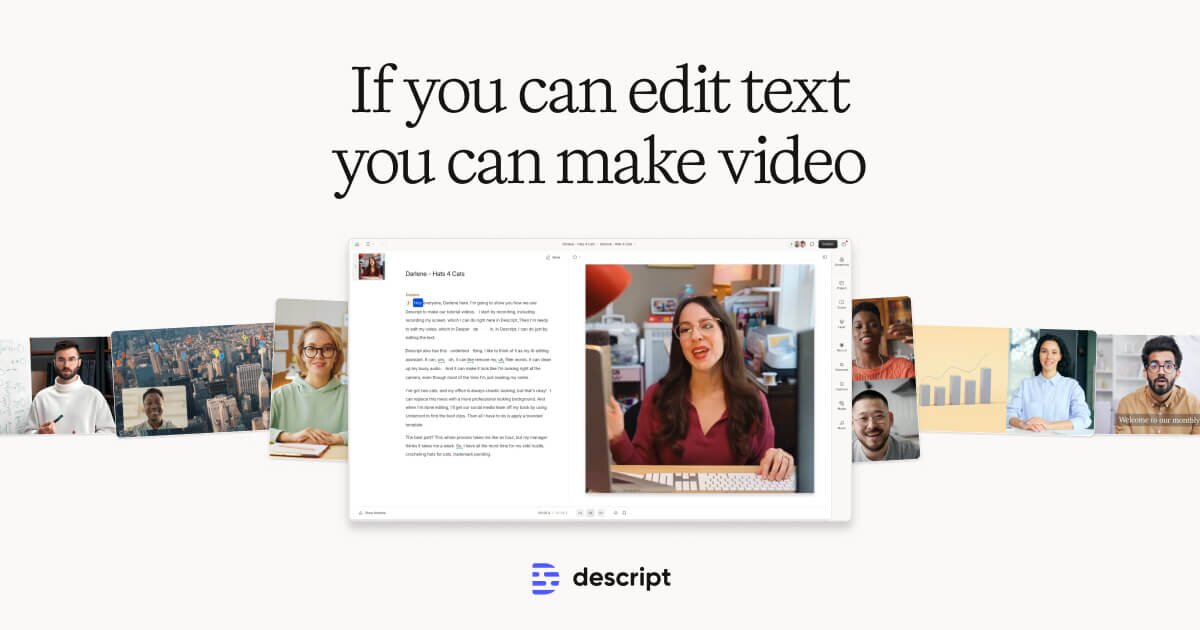
Tip: If you do not have a transcript yet, run your audio through Descript — it transcribes with high accuracy and lets you edit audio by editing text. This single tool saves hours per episode and makes all downstream AI content generation possible. Without a transcript, you are typing content from scratch.
2

Write Show Notes That Get Found in Search

Most podcast show notes are either non-existent or a lazy paragraph summary. Good show notes are standalone SEO articles that rank in Google and bring new listeners who never would have found your podcast by searching in a podcast app.

Prompt Template
Write comprehensive, SEO-optimized show notes for this podcast episode. These should function both as great show notes for existing listeners AND as a standalone article that ranks in Google search. **Episode information:** - Podcast name: [name] - Episode number and title: [e.g., 'Ep 47: How to Raise Prices Without Losing Customers'] - Guest: [name, title, company, and a brief bio] - Main topic: [one sentence] - Key takeaways extracted: [paste the 10 key takeaways from Step 1] - Best quotes identified: [paste the 5 quotes from Step 1] - Episode length: [e.g., 52 minutes] - Any resources mentioned in the episode: [books, tools, websites, studies the guest mentioned] **SEO context:** - Target keyword phrase (what someone would search to find this): [e.g., 'how to raise prices SaaS,' 'pricing strategy for small business'] - Secondary keywords: [2-3 related search terms] - Competitor articles I want to outrank (if you know them): [optional] **Write the show notes with this structure:** **[H1 Headline]**: Write a headline optimized for the target keyword that is also compelling enough to click (not just the episode title) **Introduction (150-200 words)**: Hook that establishes why this topic matters, who the guest is, and what the listener will learn. Include the target keyword naturally in the first 100 words. **Episode Overview (50-100 words)**: Brief description of what this episode covers. Not a spoiler — a teaser. **Key Takeaways**: Formatted as scannable H2/H3 subheadings with 2-4 sentences elaborating each takeaway. These subheadings should target secondary keywords where relevant. **Featured Quotes**: 3-5 quotes formatted as blockquotes with attribution. **Resources Mentioned**: Bulleted list with brief descriptions of each resource. **Timestamps**: Chapter markers for the episode (estimate based on the pacing of the transcript). **About the Guest**: 100-150 word bio with links. **Subscribe and Connect**: Links to subscribe, leave a review, and follow the guest. Target length: 800-1,200 words. Include internal link opportunities: [list any other relevant podcast episodes on similar topics].
Tip: The SEO value of show notes compounds over time. An episode from 2 years ago can still bring in new listeners today if the show notes rank for a relevant search term. Treat every episode's show notes as a permanent piece of content you are investing in, not a throwaway description. A 1,000-word SEO article that ranks on page one is worth more than 50 social posts.
3

Create Short-Form Video Clips for Social Media

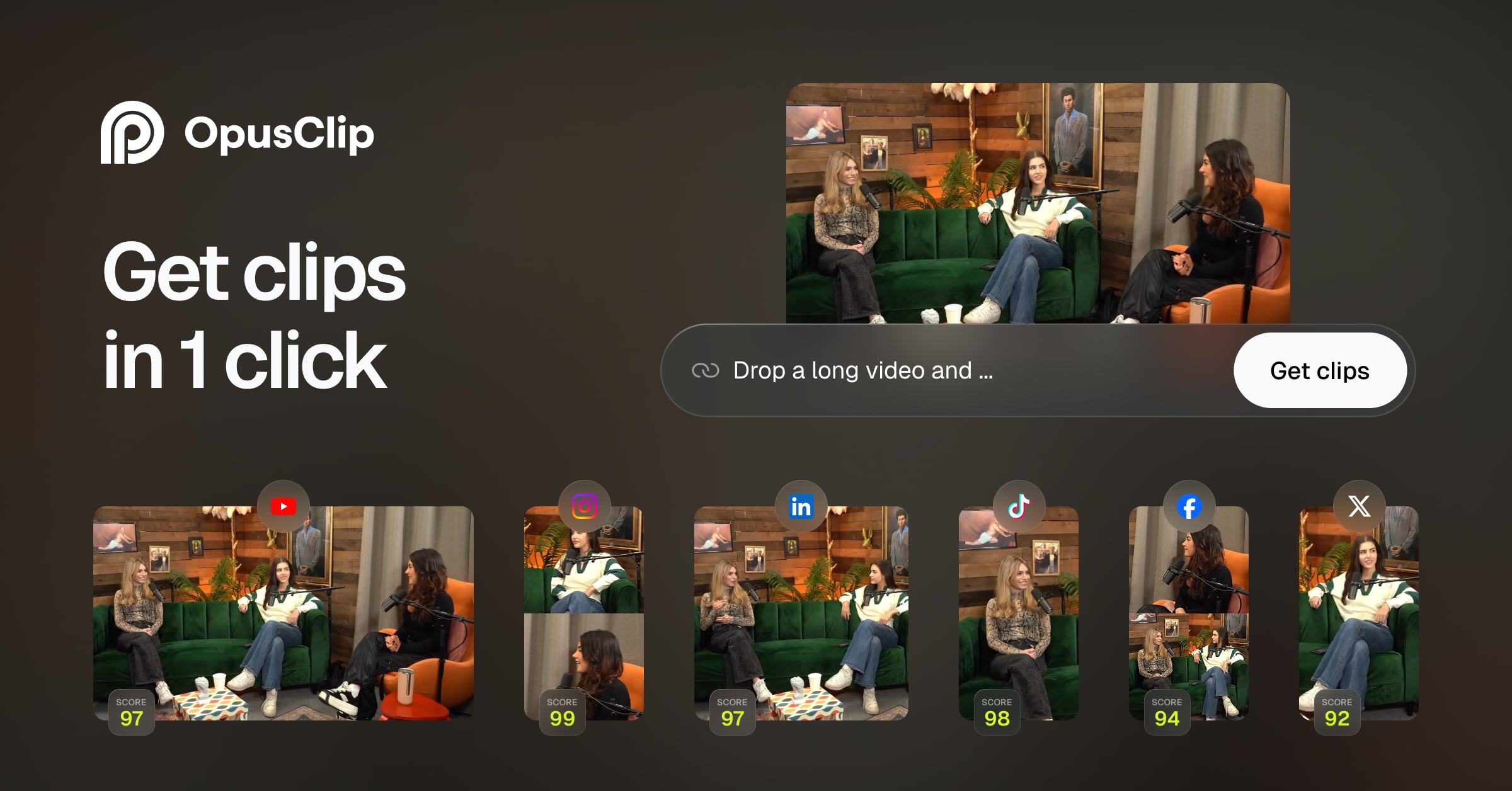
The fastest way to grow a podcast is short-form clips. A 90-second clip from a good episode, properly formatted for TikTok, Instagram Reels, or YouTube Shorts, can reach an audience 10x larger than your current listeners. Use Opus Clip to automate clip selection and formatting.

Prompt Template
I need to turn this podcast episode into short-form video content for social media. Help me plan the clip strategy and write the copy for each clip. **Episode details:** - Episode title: [title] - Guest: [name and credentials] - The 3 best clip moments identified (from Step 1): - Clip 1: [timestamp range and description] - Clip 2: [timestamp range and description] - Clip 3: [timestamp range and description] - The best quotes (from Step 1): [paste quotes] **Platforms I am targeting:** [Select: TikTok / Instagram Reels / YouTube Shorts / LinkedIn Video / Twitter/X — include all that apply] For each clip moment, write: **Clip Caption Package** (one for each platform): *TikTok/Instagram Reels caption:* - Opening hook line (first 3 words visible before 'more' cutoff — must stop the scroll) - Caption body (2-4 sentences expanding on the insight) - Call to action (follow for more / link in bio / comment your take) - 5-8 relevant hashtags *LinkedIn Video caption:* - Opening hook (professional tone, challenges conventional wisdom) - 3-5 sentence expansion with context - Question to drive comments - 3-5 relevant hashtags *YouTube Shorts title and description:* - Title (under 60 characters, includes keyword) - Description (50-100 words) **On-Screen Text Suggestions:** For each clip, suggest 3-5 text overlays (captions/callouts) to display on screen during the most impactful moments. These help viewers following without sound and increase retention. **Thumbnail Design Brief:** For YouTube Shorts or platform thumbnail needs: describe the ideal thumbnail for each clip (what should be shown, what text, what color approach). **Posting Schedule:** Recommend a posting schedule across all selected platforms — spread the 3 clips over [X] days after episode release to maximize reach without flooding.
Tip: For maximum reach, post clips before the full episode drops, not after. A 90-second clip posted Monday morning builds anticipation and curiosity; post the full episode Tuesday. This is the opposite of what most podcasters do, and it is more effective because the clip has to work on its own merits — which tells you whether the content is good enough to promote.
4

Pitch the Episode to New Audiences and Cross-Promotion Partners

Even great content has to be actively distributed. Use AI to write pitch emails that get opens: to newsletters, blogs, social accounts, and other podcasters for cross-promotion.

Prompt Template
I want to actively pitch this podcast episode to get it in front of new audiences. Help me write outreach templates for three different scenarios. **Episode details:** - Podcast name and size: [name, approximate listener count or 'early-stage'] - Episode title: [title] - Guest: [name, credentials, any relevant claim to fame] - Key insight or controversial claim from the episode: [the most shareable, interesting, or surprising thing discussed] - Why a new listener would care: [the practical value they get from this episode] **Scenario 1: Pitch to Newsletter Curators** A newsletter editor who covers [relevant topic or industry] and mentions podcast recommendations in their weekly edition. Write: - Subject line for the pitch email - 3-paragraph pitch email under 150 words - The exact 2-3 sentence blurb they can copy-paste into their newsletter (make their job easy) - What we are offering in return (if anything) **Scenario 2: Pitch for Cross-Promotion to Another Podcast** A podcast in an adjacent but non-competing niche with a similar audience size. Write: - Subject line - Pitch email under 200 words that: establishes credibility quickly, explains the specific episode and why their audience would love it, and proposes a specific cross-promotion format (swapping episode recommendations, doing a joint clip, interview swap) - Follow-up email for 7 days later if no response **Scenario 3: Pitch the Guest to Share** The episode guest should be your most powerful distribution channel — they have an audience that already trusts them. But most guests need specific assets and a push to actually share. Write: - A message to send the guest when the episode goes live (personal, grateful, specific) - The ready-to-post social media copy for them (make sharing require zero effort — they just copy, paste, and post) - A follow-up 3 days later if they have not shared yet **Across all pitches:** Use a direct, professional, non-salesy tone. The goal is to make it obvious that sharing this episode serves their audience, not just us.
Tip: Guest sharing is almost always the highest-ROI distribution move and the most neglected. Write the exact tweet, LinkedIn post, or email subject line for your guest — the easier you make it, the higher the chance they share. A guest who has 10,000 LinkedIn followers and shares your episode can generate more new listeners than a month of social posting.
5

Refine Your Copy

Marketing copy needs to be sharp, on-brand, and natural. Use Coda One to rewrite for different tones and catch any grammar issues.

Tip: Try the Rewriter with different tone settings (Persuasive, Casual, Professional) to find what works best.
6

Build Monetization Assets Around the Episode

Turn listener attention into revenue: sponsorship pitches, digital products, and membership calls-to-action. AI helps you write the assets that convert listeners who are already engaged.

Prompt Template
Help me build monetization assets for my podcast based on this episode's topic and audience. **Podcast context:** - Podcast name and niche: [name and what it is about] - Current audience size: [approximate downloads per episode or subscribers] - Target listener: [description of who listens and why — their role, interests, goals] - Episode topic: [the topic we have been working on in this scenario] **Monetization goals (select the ones relevant to you):** [X] Attract podcast sponsorships [X] Sell a digital product (ebook, course, templates) related to this episode topic [X] Drive signups to a membership or premium tier [X] Drive consulting or coaching inquiries **Asset 1: Sponsorship Pitch Deck Introduction** Write the first 2 pages of a sponsorship pitch deck: - Podcast overview: name, niche, format, episode frequency - Audience profile: who listens (demographics, interests, pain points) - Episode download stats framing: how to present early-stage numbers honestly while showing growth trajectory - Why sponsors in [relevant category] get ROI from this audience - A short case study placeholder: [e.g., what a previous sponsor or hypothetical sponsor would say about listener quality] **Asset 2: Mid-Roll Ad Script Template** A 60-second mid-roll ad script template that the host reads conversationally (not an announcer read). Include: - Host introduction of the sponsor - The specific customer pain point the sponsor solves (relevant to this podcast's audience) - One specific offer for listeners (discount code, free trial, special URL) - Natural transition back to the episode **Asset 3: Lead Magnet Landing Page Copy** Based on this episode's topic, suggest a free lead magnet that would be genuinely useful to listeners (e.g., checklist, template, guide). Then write: - Headline for the landing page - 3-bullet value description - The opt-in form call to action - The follow-up email that delivers the lead magnet (subject line + email body) **Asset 4: Premium/Membership Upgrade CTA** A 30-second in-episode call to action for a paid membership or premium tier. Should feel like a genuine recommendation, not an ad.
Tip: Sponsorships before 10,000 downloads per episode are hard to land with established brands. The better early monetization path is usually a small community, a template pack, or a mini-course related to your niche — something your audience can buy directly from you at $19-97. Even a small email list converting at 2% can generate meaningful revenue before your download numbers would attract brand sponsors.

Recommended Tools for This Scenario

MCP Servers for This Scenario

Browse all MCP servers →

Frequently Asked Questions

How many pieces of content should I create from one podcast episode?
A well-produced 45-minute episode can realistically generate: 1 blog post / show notes article, 1 email newsletter, 3-5 short-form video clips, 5-10 quote graphics, 2-3 Twitter/X threads, 1-2 LinkedIn posts, and 1 audiogram. That is 15-25 pieces of content from a single recording session. Most podcasters extract fewer than 5. The constraint is usually workflow, not content — AI and tools like Opus Clip and Descript solve the workflow problem.
Which social platform drives the most podcast discovery?
It depends on your niche, but YouTube is the most reliable long-term driver for most podcasts. YouTube clips are searchable and evergreen — a clip from 2 years ago still gets found. TikTok and Instagram Reels drive faster viral spikes but less sustained discovery. LinkedIn works best for business-focused podcasts. The strategy that works for most: post clips to all platforms but invest extra in YouTube by uploading full episodes as video, which builds a second subscriber base that compounds over time.
Does AI content feel authentic for podcast promotion?
AI handles structure and initial drafts well, but the personal voice needs to come from the host. Use AI to write the first draft of captions, show notes, and pitches — then edit them to match your actual voice and add the specific details that only you would know (the behind-the-scenes context, your personal reaction to what the guest said). Listeners and potential guests can tell when promotion is pure boilerplate. The AI draft saves 80% of the time; the human edit provides the authenticity.
Should I pay to boost podcast clips on social media?
Test organic reach before paying. Paid promotion of clips that have already shown organic traction is efficient — you are paying to amplify something proven. Paying to promote clips that got zero organic engagement is usually not worth it because you have not confirmed the content resonates. Start organic, identify your 1-2 best-performing clips per episode, then boost those. Budget of $50-100 per episode on proven clips will outperform $500 on untested content.

Coda One Tools for This Scenario

Try AI Rewriter

Rewrite and improve any text while preserving meaning and adding a human touch.

Try Free

Try AI Humanizer

Transform AI-generated text into natural, human-sounding writing that bypasses detection tools.

Try Free

Try AI Grammar Checker

Find and fix grammar, spelling, and punctuation errors with detailed explanations.

Try Free

Try Text to Speech

Convert any text to spoken audio with multiple voices. 100% free, runs in your browser.

Try Free
podcastcontent marketingsocial mediarepurposinggrowthmonetizationshort form video
Was this helpful?

Get More Scenarios Like This

New AI guides, top tools, and prompt templates — curated weekly.