FastAPI App Builder
CautionCreate async Python APIs with FastAPI including Pydantic models, dependency injection, SQLAlchemy ORM, Alembic migrations, and auto-generated OpenAPI docs.
$ Copy the SKILL.md file to .claude/skills/fastapi-app.md About This Skill
FastAPI App Builder generates modern async Python APIs using FastAPI's full feature set. It produces structured, typed code that leverages Python's type hints for automatic validation and documentation.
Project Structure
Follows the domain-based layout: `app/api/` for route handlers, `app/core/` for config and security, `app/models/` for SQLAlchemy ORM models, `app/schemas/` for Pydantic schemas, and `app/services/` for business logic.
Pydantic v2 Models
Generates separate Request, Response, and DB schemas with model_config for strict validation. Field validators and model_validators handle complex business rules. Computed fields derive values without storing them.
Async SQLAlchemy
Uses SQLAlchemy 2.0 async engine with asyncpg (PostgreSQL) or aiosqlite. Repository pattern wraps sessions. Alembic auto-generates migrations from model changes with `--autogenerate`.
Dependency Injection
FastAPI's Depends() system is used for database sessions, current user resolution, permission checking, and rate limiting. Dependencies are composable and testable with override_dependencies in tests.
Background Tasks
Integrates Celery with Redis broker for heavy background work, or uses FastAPI's built-in BackgroundTasks for lightweight post-response operations.
Use Cases
- Building async REST APIs with automatic OpenAPI schema generation
- Creating Pydantic v2 request/response models with strict validation
- Setting up SQLAlchemy 2.0 async sessions with Alembic migrations
- Implementing OAuth2 password flow with dependency-injected auth
Pros & Cons
Pros
- +Auto-generates OpenAPI docs and interactive Swagger UI with zero config
- +Full async support for high-throughput IO-bound workloads
- +Pydantic v2 validation is 5-50x faster than v1
- +Dependency injection makes unit testing individual components easy
Cons
- -Async SQLAlchemy adds complexity compared to synchronous ORMs
- -Alembic autogenerate misses some schema changes (indexes, constraints)
Related AI Tools

Claude Code
Anthropic's agentic CLI for autonomous terminal-native coding workflows
- Terminal-native autonomous coding agent
- Full file system and shell access for multi-step tasks
- Deep codebase understanding via repository indexing

Cursor
AI-native code editor with deep multi-model integration and agentic coding
- AI-native Cmd+K inline editing and generation
- Composer Agent for autonomous multi-file changes
- Full codebase indexing and context awareness
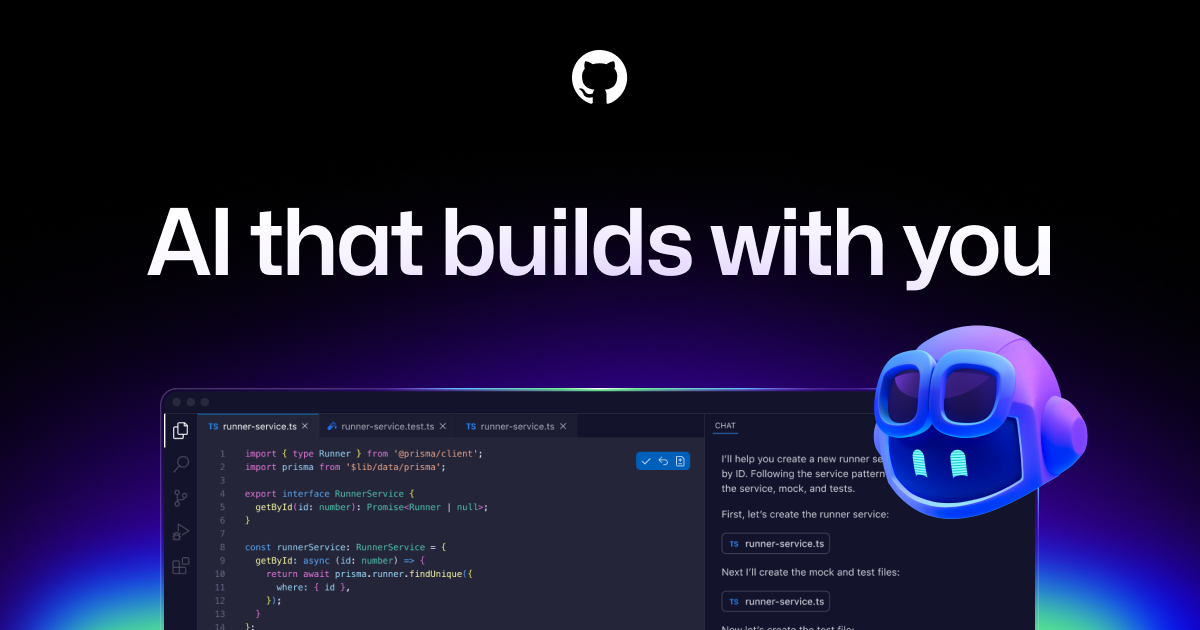
GitHub Copilot
AI pair programmer that suggests code in real time across your IDE
- Real-time code completions across 30+ languages
- Copilot Chat for natural language code Q&A
- Pull request description and summary generation
Related Skills
API Builder
Scaffold REST and GraphQL APIs with route generation, validation, authentication middleware, and OpenAPI documentation.
Database Migration Manager
Plan and execute database schema migrations with rollback support, data preservation, and zero-downtime strategies.
Python Packaging
Structure Python packages for distribution with proper pyproject.toml, versioning, CI publishing, and PyPI release workflows.
FAQ
What does FastAPI App Builder do?
What platforms support FastAPI App Builder?
What are the use cases for FastAPI App Builder?
What tools work with FastAPI App Builder?
100+ free AI tools
Writing, PDF, image, and developer tools — all in your browser.
Next Step
Use the skill detail page to evaluate fit and install steps. For a direct browser workflow, move into a focused tool route instead of staying in broader support surfaces.