Test Coverage Analyzer
CautionAnalyze test coverage gaps, generate missing test cases, and improve test quality with mutation testing insights.
$ claude install testing-coverage About This Skill
Overview
Test Coverage Analyzer goes beyond simple line coverage metrics to identify meaningful gaps in your test suite. It generates high-quality test cases that cover edge cases, error paths, and complex interactions that manual testing often misses.
Key Features
- Gap Analysis: Analyzes your codebase against existing tests to find untested functions, uncovered branches, and missing edge cases. Prioritizes gaps by risk — untested error handling and data validation get highest priority.
- Smart Test Generation: Generates tests that are meaningful, not just coverage-padding. Each test verifies specific behavior with clear assertions and descriptive names.
- Edge Case Detection: Identifies boundary conditions (empty arrays, null values, max integers, concurrent access) and generates specific tests for each.
- Mutation Testing Insights: Simulates code mutations to verify that tests actually catch bugs, not just execute code paths. Identifies tests that pass regardless of correctness.
Framework Support
Jest and Vitest for JavaScript/TypeScript, pytest for Python, cargo test for Rust, and JUnit for Java. Generates tests using framework-specific best practices and assertion libraries.
Test Patterns
Generates Arrange-Act-Assert structured tests with proper isolation. Includes fixture setup, mock configurations, and cleanup. Parameterized tests for data-driven scenarios.
Use Cases
- Identify untested code paths and generate targeted test cases
- Create edge case tests for boundary conditions and error paths
- Generate integration tests for API endpoints and database queries
- Analyze test quality beyond line coverage with branch and mutation testing
- Set up test infrastructure with proper fixtures and mocking patterns
Pros & Cons
Pros
- +Identifies high-risk untested code paths that matter most
- +Generated tests are readable and maintainable, not just coverage boosters
- +Mutation testing reveals weak tests that give false confidence
- +Supports all major testing frameworks with idiomatic patterns
Cons
- -Generated tests for complex business logic may need domain-specific assertions
- -Mutation testing analysis can be time-consuming on large codebases
- -Integration test generation requires running services or mock servers
Related AI Tools

Claude
Anthropic's AI assistant built for thoughtful analysis and safe, nuanced conversations
- 200K token context window for massive document processing
- Artifacts — interactive side-panel for code, docs, and visualizations
- Projects with persistent context and custom instructions

Cursor
AI-native code editor with deep multi-model integration and agentic coding
- AI-native Cmd+K inline editing and generation
- Composer Agent for autonomous multi-file changes
- Full codebase indexing and context awareness
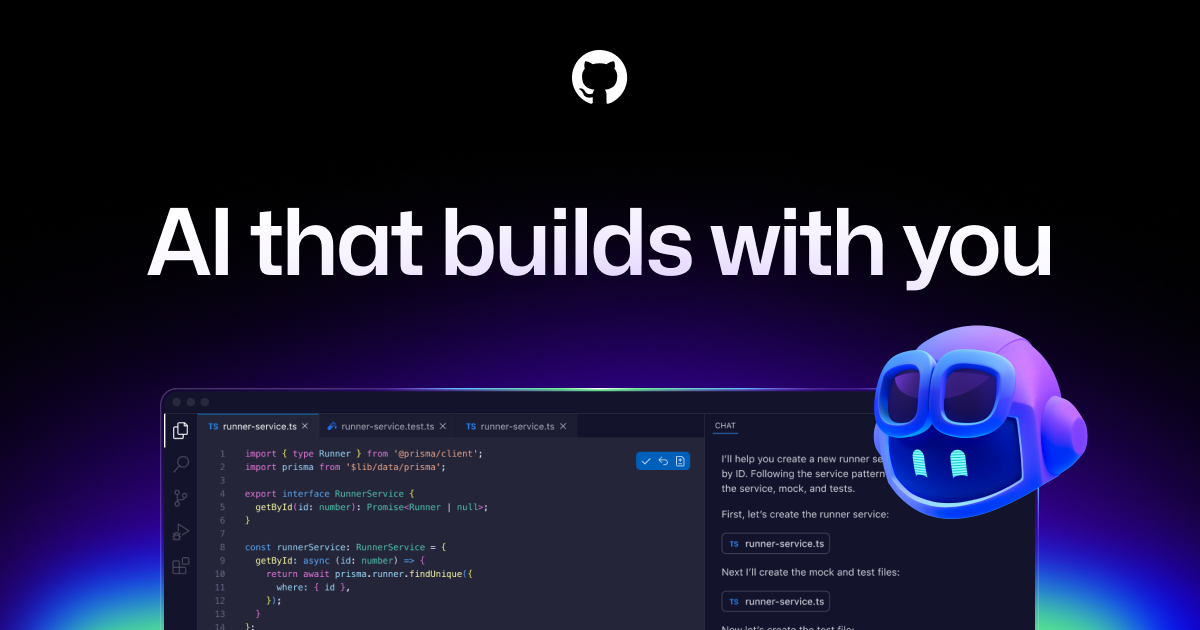
GitHub Copilot
AI pair programmer that suggests code in real time across your IDE
- Real-time code completions across 30+ languages
- Copilot Chat for natural language code Q&A
- Pull request description and summary generation

Codeium
Free AI code completion and search for developers
- AI-powered code autocomplete with no usage limits on free tier
- In-editor chat for code explanation, generation, and refactoring
- Support for 70+ programming languages
Related Skills
Systematic Debugging
Systematic debugging with root cause analysis, stack trace interpretation, and hypothesis-driven troubleshooting.
Refactoring Agent
Intelligent code refactoring with pattern detection, code smell identification, and safe multi-file transformations.
Error Handling Patterns
Implement comprehensive error handling with typed errors, recovery strategies, logging integration, and user-friendly messages.
FAQ
What does Test Coverage Analyzer do?
What platforms support Test Coverage Analyzer?
What are the use cases for Test Coverage Analyzer?
What tools work with Test Coverage Analyzer?
100+ free AI tools
Writing, PDF, image, and developer tools — all in your browser.
Next Step
Use the skill detail page to evaluate fit and install steps. For a direct browser workflow, move into a focused tool route instead of staying in broader support surfaces.